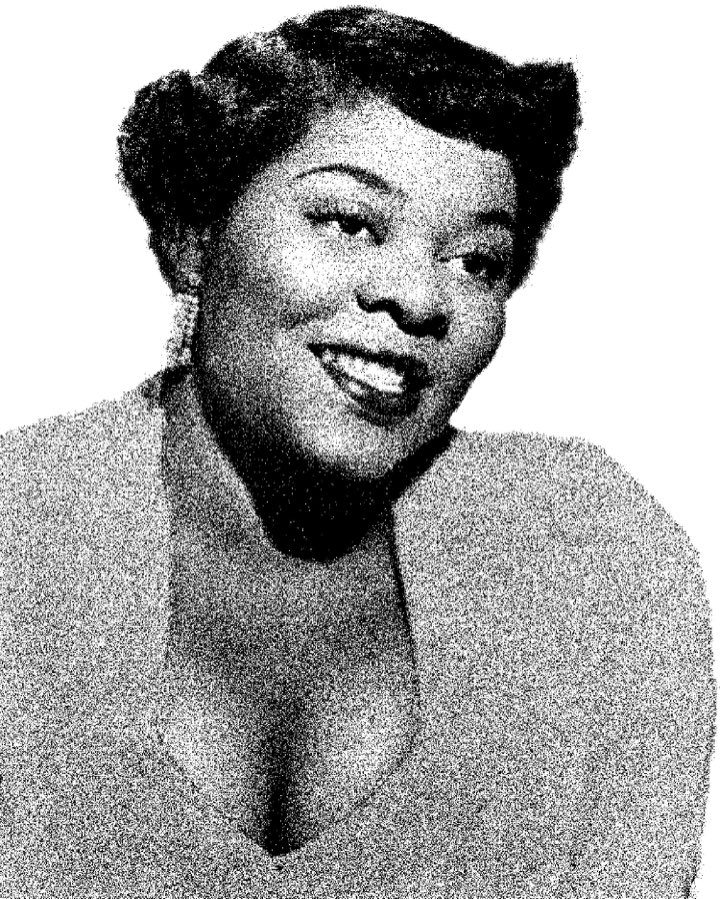
Kelly Washington
Self-written
Related Washingtons
I have carried the name Washington my entire life, but I did not always fully understand the deeper meaning behind it.
Growing up, the only Washington I was taught about in school was George Washington. He was presented as a founding father and national symbol, someone to be remembered and respected. But even as a child, I wondered why I never met any white families who shared my last name. As I got older, I began to understand more of the name’s history.
George Washington was a slave owner, and the custom at that time was to give the enslaved the last name of the person who claimed them. That knowledge created a shift in me, making the name feel heavier and more complex. It was something inherited from my enslaved ancestors, not chosen by them.
The first Washington I remember feeling proud of was the late Harold Washington, Chicago’s first Black mayor. I didn’t yet know the full impact he would have, but I knew he looked like me. That was enough. It was the first time the name Washington felt like it reflected something rooted in possibility, not history. (Coincidentally, I also had an uncle named Harold Washington.)
Every time I hear my name, I think of my late mother, an educator who will always be the original Ms. Washington to me. Her presence first gave the name meaning in my life. But when I think about the “other Washington” who shaped me, I think about my father, Jerome Washington. His life is a story of survival, resilience, and complexity. Those stories stay with me in how I speak, write, and choose to engage with the world.
I have inherited many traits from him, but the one that stands out most is strength. His is rooted in resilience and quiet fortitude. Mine is more vocal, showing up in how I name things, ask questions, and refuse to let certain stories remain hidden.
That strength has guided me in my work. In 2020, the COVID-19 pandemic raged and the murders of Breonna Taylor and George Floyd occurred. It was one of the most difficult years in the nation’s history. I was writing for the Chicago Defender, a historically Black publication, and I remember pushing out article after article in a single month, trying to make sense of a world that felt like it was unraveling. Seeing my name in print again and again on stories about racial inequities in healthcare, policing and incarceration, Black political leadership, and democracy, felt like a responsibility and a reckoning.
The name Washington no longer feels like a question. It feels like a lineage that is layered, complicated, and deeply human. I have found understanding and also a voice shaped by what I carry, what I choose to continue, and what I am becoming.