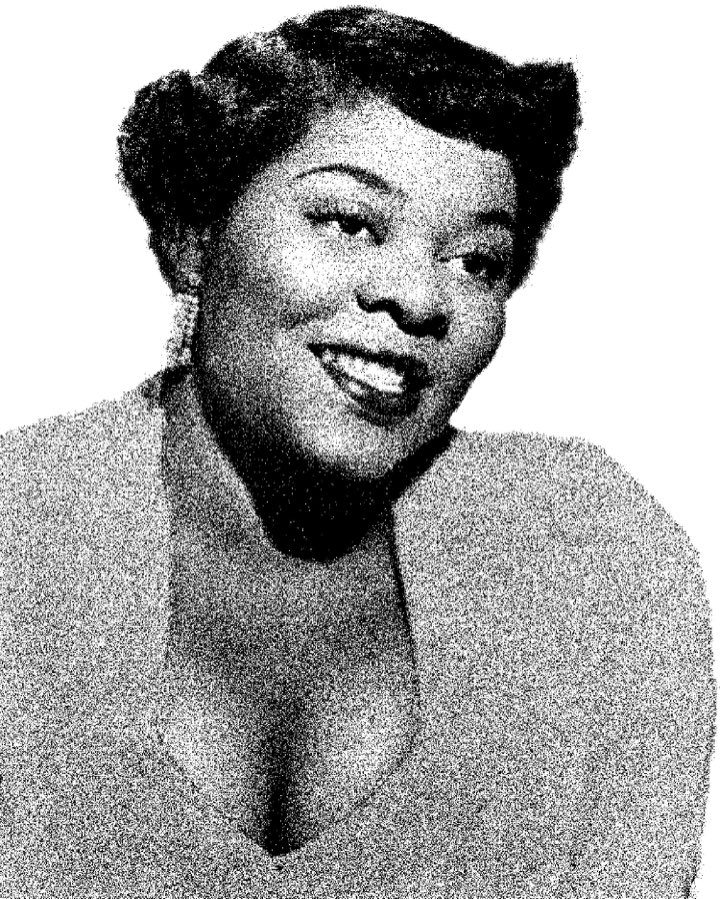
Other Washingtons is a public artwork presented by Amanda Williams.
External Resources
About the Project
The 2000 U.S. Census counted 163,036 people with the surname Washington. Ninety percent of them were African-American or Black, a far higher percentage than for any other common name. The story of how Washington became the “blackest name” begins with slavery and takes a sharp turn after the Civil War, when all blacks were allowed the dignity of a surname. Some historians theorize large numbers of Blacks chose the name Washington in the process of asserting their freedom.
The then radical act of choosing one’s own name and its associations with symbols of power and freedom are all but meaningless to newer generations of Black Americans. This monument intervention recaptures the spirit in having pride about your name and your lineage. It aims to create a multi-generational conversation piece about history and legacy.
About the Site
The 13.5-foot-tall bronze equestrian statue of George Washington was designed by Daniel Chester French in collaboration with Edward Clark Potter. Installed in Washington Park in 1904, it depicts Washington in full military dress atop a horse.
The monument is a full-scale replica of a statue commissioned by the Daughters of the American Revolution and first installed in Paris, France, in 1900 to commemorate France’s support of the American Revolution.
From 2020 until the installation of Other Washingtons, the monument remained enclosed by a chain-link fence, limiting public access and engagement with the site.
Amanda WIlliams
MacArthur Fellow, Class of 2022
aw | studio
Amanda Williams is an artist who uses ideas around color and architecture to explore the intersection of race and the built environment. Through an interdisciplinary practice that brings spatial and aesthetic theory to bear on real social problems, Williams is clarifying the role of the artist in reimagining public space. Be it the latent value in vacant houses, the expansive palette of what blackness is, the speculative beauty of tulip bulbs or the social currency of childhood candies, Williams has an ongoing practice of elevating seemingly mundane objects and spaces to a renewed and often reformulated status of importance. Her work is in several permanent collections including the Art Institute of Chicago, Museum of Modern Art, Cooper Hewitt, Smithsonian Design Museum, and the National Museum of African American History and Culture.
She is co-author of a permanent monument to Shirley Chisholm in Brooklyn, and was a member of the Exhibition Design Team for the Obama Presidential Center in Chicago. Her breakthrough series Color(ed) Theory, was named by the New York Times as one of the 25 most significant works of postwar architecture in the world. Amanda is the recipient of the Gordon Parks Foundation Fellowship, the USA Ford Fellowship, a Joan Mitchell Foundation award, a Chicagoan of the Year, and a MacArthur Foundation Fellow.
For more on Amanda visit www.macfound.org